
How to Prepare for the Change of Season: The Women's Fall Wardrobe Checklist
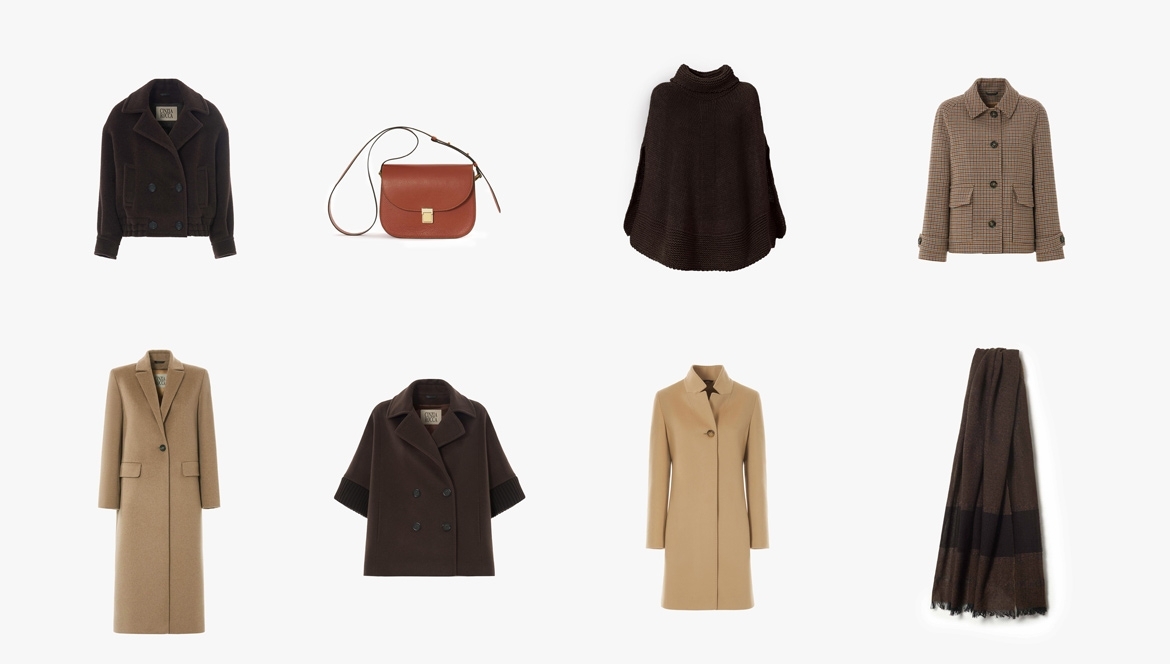
September brings a new energy with it, an implicit invitation to slow down, reflect, and reorganize our most intimate spaces. For the contemporary woman, this moment coincides with an aesthetic and contemplative ritual of great significance: the transition to the women's fall wardrobe. It is not simply a matter of swapping lightweight garments for warmer fabrics, but of performing a genuine exercise in style and sartorial awareness.
At Cinzia Rocca, where since 1953 we have crafted exceptional outerwear designed to accompany you season after season, we believe that caring for your wardrobe is the first step toward expressing your innate elegance. In this editorial service guide, we will walk you through the seasonal transition step by step, offering practical advice and technical insights to showcase your most precious pieces while preserving their original beauty over time.
In brief: the art of the seasonal transition
The seasonal wardrobe change is a ritual of care. To approach it in the best way, plan a complete emptying of your wardrobe, select garments according to criteria of quality and longevity, sanitize summer fibers before storing them, and prepare your winter outerwear by reviving the noble fibers with the right tools. A well-organized wardrobe is the secret to an effortless, refined, and confident everyday style.
The 5-step checklist for the September seasonal wardrobe change
Tackling the September seasonal wardrobe change calls for method and dedication. There is no room for haste when handling fine fabrics and sartorial silhouettes. Below, you will find our five-step checklist to proceed with methodical precision.
- 1. The complete emptying and visual inventory: Remove every single garment from the compartments of your wardrobe. This exercise gives you a real overview of the volumes and colors at your disposal, highlighting what has been worn extensively and what has remained unused.
- 2. Sanitizing the compartments: Before putting your new garments away, wipe down the shelves, drawers, and hanging rails. Use a microfiber cloth dampened with a gentle solution of water and white vinegar or natural essential oils such as cedar and lavender, known for their purifying and natural moth-repellent properties.
- 3. Quality sorting (mindful decluttering): Examine each piece individually. Assess the condition of the seams, the buttons, and the integrity of the fibers. Divide your garments into three distinct categories: those to keep, those in need of sartorial maintenance, and those to donate.
- 4. Preventive maintenance: Never store away a summer garment that shows stains or signs of wear, however faint. Over the months, organic residues can become permanently set into the fibers and attract fabric-eating insects. Proceed with gentle washing or professional dry-cleaning treatments.
- 5. Geometric reorganization: Arrange your fall garments by category and then by shade of color. Place outerwear and shirts on suitable hangers, and fold sweaters made of noble yarns on the shelves, avoiding hanging them so as not to compromise their silhouette.
Women's fall wardrobe: what to keep, what to refresh, what to donate
The transition to the new cold season is the perfect moment to redefine the essence of your personal style. A careful selection allows you to build a functional and elegant capsule collection, reducing environmental impact and celebrating true Italian craftsmanship.
When deciding what to keep, focus on structured pieces and wardrobe staples. A coat with an impeccable cut, an outerwear piece in a noble yarn such as cashmere or virgin wool, and a structured jacket are investments that transcend the very notion of fleeting trends. Keep everything that retains its fit intact and that still speaks to your stylistic personality.
Refreshing does not mean giving in to the impulse purchase of fast-fashion pieces destined to deteriorate within a few months. Rather, it means integrating targeted elements that elevate the entire wardrobe. Consider adding an iconic outerwear piece from the Cinzia Rocca collection, such as a long belted coat or an enveloping baby llama cape, capable of redefining even the most minimal outfit.
Finally, set aside for donation or creative recycling those garments that, while in excellent condition, no longer align with your body or your everyday needs. Freeing up space in your wardrobe fosters greater mental clarity and simplifies your morning outfit choice.
To help you objectively assess each garment, we have laid out this practical sartorial self-evaluation table:
| Analysis Parameter | Keep & Renew | Repair & Donate | Recycle |
| Fabric Condition | Intact fibers, no pilling or visible wear. | Presence of light, removable pilling; unraveled seams. | Matted fibers, irreparable tears, or permanent stains. |
| Fit and Cut | The silhouette fits impeccably. | Slightly loose or long, adjustable by a tailor. | Size no longer suitable, style not consistent with current wardrobe. |
| Frequency of Use | Worn regularly over the last twelve months. | Precious item left unused solely due to a lack of matching outfits. | Unused for more than two seasons without a real reason. |
How to store summer garments correctly
Carefully preserving your warm-season garments is essential to finding them beautiful and ready to wear the following year. When considering how to organize your fall wardrobe, you must pay the utmost attention to protecting light natural fibers such as linen, organic cotton, and silk.
Follow these guidelines for expert storage:
- Avoid airtight plastic garment bags: Plastic does not allow natural fibers to breathe and can trap residual moisture, encouraging the formation of mold and unpleasant odors. Always favor garment bags made of non-woven fabric or breathable cotton.
- Choose the right hangers: Summer garments in silk or viscose slip off easily. Use velvet-covered hangers or ones fitted with non-slip inserts. Absolutely avoid thin metal hangers, which can permanently distort the line of the shoulders.
- Natural protection against pests: Place sachets filled with dried lavender flowers, red cedar wood shavings, or cloves in your drawers and hang them among the garment bags. Beyond delicately scenting your fabrics, they offer a natural protective shield against moths.
- Strategic folding: Lightweight cotton T-shirts and shirts can be stored using the "vertical folding" method. This system not only optimizes drawer space but also minimizes deep creases in the fabric, making future ironing easier.
How to prepare your fall outerwear before its first use
With the arrival of the first cold spells, outerwear once again becomes the undisputed star of the wardrobe and the urban landscape. Whether it is a double-breasted coat with a rigorous structure or an elegant single-breasted coat with a straight cut, every piece needs careful preparation before taking to the metropolitan stage once more. Noble fibers such as virgin wool, alpaca, and cashmere possess a natural elasticity and a sophisticated drape that require precise gestures to be revived at their best.
First of all, proceed with a thorough brushing. Use a brush designed specifically for fine fabrics with soft natural bristles (absolutely avoid adhesive lint rollers, which leave sticky residues on the fibers). Always brush in the direction of the nap, from top to bottom, to smooth the fibers and remove the dust accumulated during the months of rest.
Next, air the garment outdoors for a few hours, preferably on a cool day and away from direct sunlight, which could alter the vibrancy of the colors. The natural humidity of the open air regenerates noble fibers, restoring their loft and resilience.
If you notice creases from storage, use a vertical steamer at an appropriate distance (at least 6 to 8 inches from the fabric) to relax the fibers without flattening them. Finally, check the integrity of the sartorial details: make sure the buttonholes are clean, the buttons firmly secured, and the inner lining free of any accidental loose seams. If necessary, entrust small restoration jobs to the care of a specialized tailor.
How to organize your fall wardrobe: the step-by-step guide
To make your change of season easier and ensure a flawless result, we have put together a practical action guide in HowTo format, designed to be consulted quickly while the work is underway at home.
Practical Guide: How to organize your fall wardrobe
Follow this ordered sequence to optimize your time and achieve a functional, tidy, and visually harmonious wardrobe.
- Preparation phase (Estimated time: 1 hour): Gather everything you need before you begin: breathable cardboard boxes, cotton garment bags, a fabric brush, natural cedar sachets, microfiber cloths, and a gentle cleanser for wooden surfaces.
- Systematic emptying (Estimated time: 45 minutes): Take out all the summer and winter garments present, laying them on a clean surface (such as the bed). Thoroughly clean the inside of the wardrobe and let it air out for at least 30 minutes with the doors open.
- Critical selection (Estimated time: 1.5 hours): Examine each summer garment before storing it and each fall garment before putting it in. Separate the items to be washed, those to be repaired, and those to be stored away temporarily.
- Summer storage (Estimated time: 1 hour): Carefully fold shirts and lightweight trousers into rigid boxes fitted with a descriptive label. Hang your most delicate summer garments inside the appropriate protective cotton garment bags.
- Fall setup (Estimated time: 1.5 hours): Add your fall outerwear, placing it on shaped wooden hangers. Organize your sweaters by folding them according to thickness and color, placing the heavier fabrics at the base of the piles so as not to crush the softer, more delicate yarns such as cashmere.
Frequently Asked Questions about the change of season and garment care
How can I protect my cashmere and fine wool coats from moths throughout the year?
The secret lies in combined prevention. In addition to carefully washing your garments before storing them (moths are attracted to micro-residues of sebum and perfume), we recommend using genuine red cedar wood hangers or placing lavender and eucalyptus sachets in the compartments. Remember to air out your wardrobe periodically, moving the hanging garments so they do not remain in prolonged darkness and stillness, the ideal habitat for these tiny insects.
Is it advisable to dry-clean outerwear at every change of season?
Frequent chemical cleaning can deplete the natural softness and hydration of noble fibers such as alpaca and cashmere. We recommend professional dry-cleaning only when strictly necessary (in the presence of visible stains or persistent unpleasant odors) and preferably at the end of the season, before storing the garment away for the warm months. To refresh the fabric between uses, simply brush it gently and let it air out in a ventilated environment.
How can I keep heavy sweaters from losing their shape when stored?
Sweaters made of heavy knit or fine yarns should never be hung on hangers, as gravity would inevitably tend to stretch the shoulders and distort the lower hem of the garment. The correct method is to fold them gently into thirds and lay them horizontally on the wardrobe shelves. Avoid creating piles that are too tall so as not to place excessive weight on the sweaters at the bottom, which would compromise the softness of the fiber.
Which hangers should I choose to avoid ruining tailored jackets and coats?
High-end outerwear features a structured shoulder (with or without an inner shoulder pad) that defines the entire silhouette of the garment. To keep its shape intact, you need to use shaped wooden hangers with broad shoulders (with an end thickness of at least 1.5 to 2 inches). Absolutely avoid thin metal or plastic hangers, which would exert abnormal localized pressure, irreparably distorting the silhouette of the shoulder.
Building a timeless wardrobe: the mindful choice
In conclusion, dedicating the right amount of time to caring for and reorganizing your wardrobe is an act of love toward yourself and toward your garments. Knowing how to welcome autumn with order and visual harmony simplifies our daily lives, allowing us to face each day's challenges with elegance and confidence.
Remember that the perfect women's fall wardrobe is not a chaotic jumble of pieces bought on the wave of passing trends, but rather a thoughtful selection of the highest-quality elements that come together harmoniously. Choosing outerwear crafted with artisanal passion and noble raw materials is the first step toward a more ethical, sustainable, and authentically luxurious way of consuming.
We invite you to discover the timeless refinement of our new sartorial creations, designed to celebrate your uniqueness on every occasion.